
Congratulations to Prof. Dr. Ashokkumar Veeramuthu from the Center for Waste Management and Renewable Energy, SIMATS, for receiving the prestigious Brain Pool Visiting Scientist title from NRF, South Korea, honoring outstanding global Scientist.
Congratulations to Prof. Dr. Ashokkumar Veeramuthu from the Center for Waste Management and Renewable Energy, SIMATS, for receiving the prestigious Brain Pool Visiting Scientist title from NRF, South Korea, honoring outstanding global Scientist.
Our Team Members
Center Leadership
Dr. Ashokkumar Veeramuthu Ph.D.
Professor & Head
Centre for Waste Management and Renewable Energy
SDC, Saveetha Institute of Medical and Technical Sciences (SIMATS)
Saveetha University, Chennai, India
E-mail: rvashok2008@gmail.com
Phone: +91 9791343140
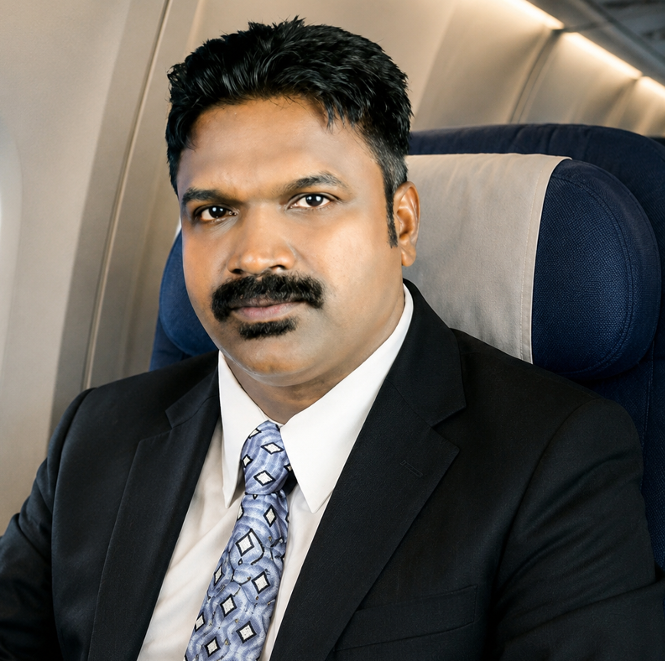
Dr. Ashokkumar Veeramuthu is a distinguished waste-to-wealth and environmental scientist, currently serving as Professor and Head at the Centre for Waste Management and Renewable Energy, SIMATS (Saveetha University). He has held prestigious international positions as a Visiting Professor at Chulalongkorn University, Thailand, and the National University of Singapore (NUS). He obtained his Ph.D. from the University of Madras (2012) and pursued postdoctoral research at Universiti Teknologi Malaysia (UTM) and National Cheng Kung University, Taiwan. During his doctoral studies, he was awarded the Indo-Australian Fellowship, enabling research collaboration at the University of Adelaide, Australia. He has also participated in international research exchanges under the Marie Curie Actions Fellowship scheme across leading European institutions.
Dr. Ashok has industrial experience as a Scientist at Reliance Industries, Mumbai, strengthening his applied research perspective. With over 20 years of research experience, his expertise spans microalgal biofuels (bioethanol, biodiesel, biomethane), CO₂ mitigation, thermochemical conversion, pyrolysis, waste management, and value-added bioproducts from waste. He has published 120+ research articles, authored 2 books and 5 book chapters, and is widely recognized for his scientific contributions. He is a recipient of the prestigious Brain Pool Visiting Scientist Award from the National Research Foundation (NRF), South Korea, under the Outstanding Global Scientist Program. Dr. Ashok has been listed among the World’s Top 2% Scientists for three consecutive years (2023–2025) by Stanford University in collaboration with Elsevier. He has delivered 130+ invited talks globally and actively serves as an editor and reviewer for leading journals, including Elsevier, Springer, PLOS One, Frontiers, and MDPI. He maintains strong international collaborations across 15+ countries, currently supervises 5 Ph.D. scholars, and has delivered impactful outreach as a Chief Guest speaker to over 35,000 school students across 120 schools.
Scientific Advisory Board Members - SIMATS

P. Muthusamy IRS, SIMATS

National Advisory Board Members
Prof. Dr. K Mohanty - Indian Institute of Technology Guwahati, Guwahati
Prof. S.N. Gummadi - Indian Institute of Technology Guwahati, Madras
Prof. Dr. K. Richa - Central University of Jammu, India
International Advisory Board Members
Prof. WH Chen, National Cheng Kung University, Taiwan
Prof. G. Kumar- Yonsei University, Republic of Korea and University of Stavanger Norway
Prof. Dr. N Chawalit -Chulalongkorn University, Thailand
Prof. Ir. Dr. Mohd. Fadhil Bin Md. Din, Universiti Teknologi Malaysia, Malaysia
Dr. G. Piechota- GP CHEM. Laboratory of Biogas Research and Analysis, Poland
Prof. Igliński -Nicolaus Copernicus University, Poland
Dr. R. V Karthick- University of Sao Paulo, Brazil
Dr. Kowthaman – Texas A&M University, USA

Prof. Dr. Ashok Pandey
Distinguished Scientist (HTBS National Innovation Chair)
CSIR-Indian Institute of Toxicology Research, Lucknow
Adjunct Professor
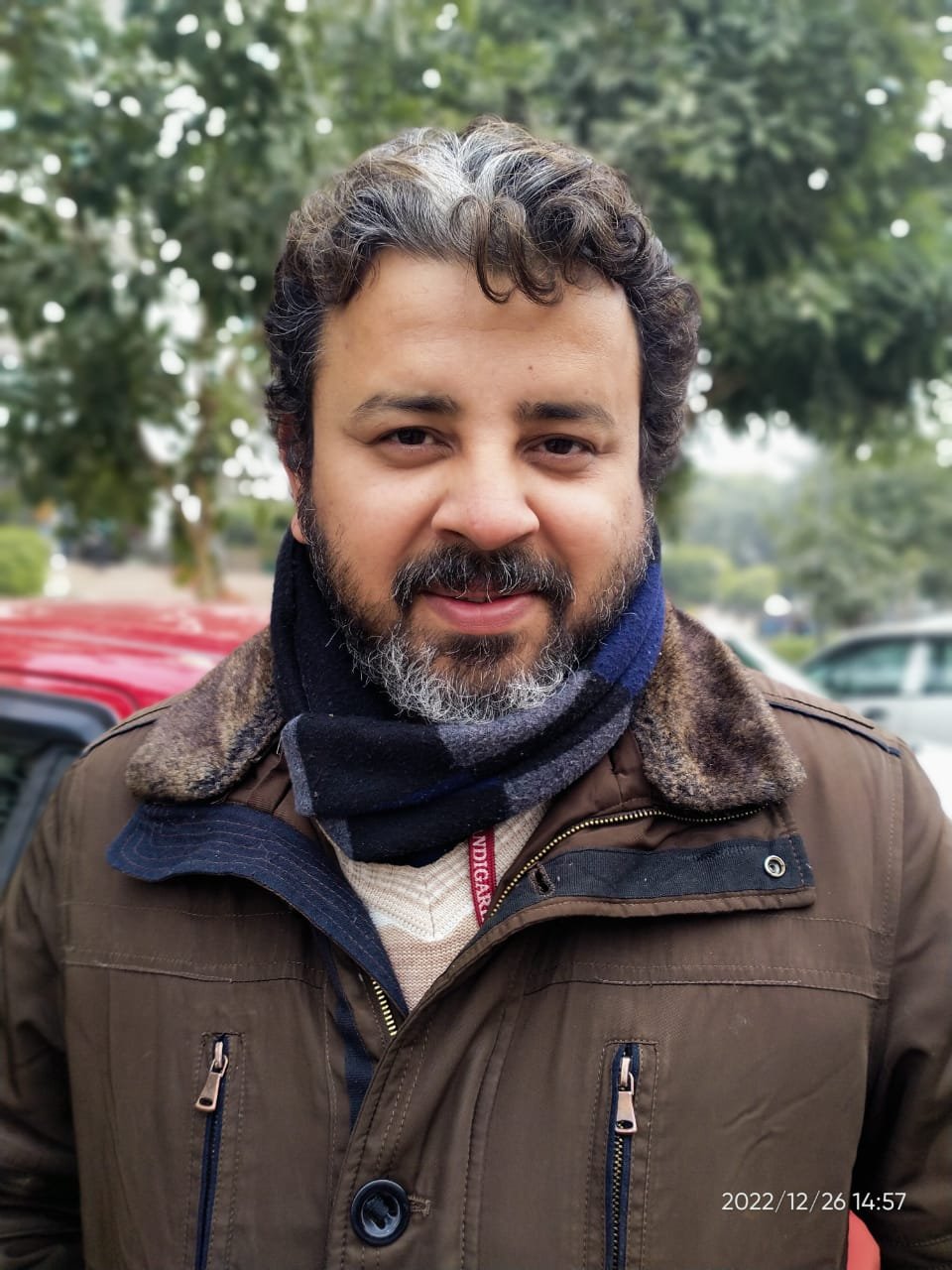
Dr. Gaurav Mudgal
Associate Professor UIBT, Chandigarh University, India
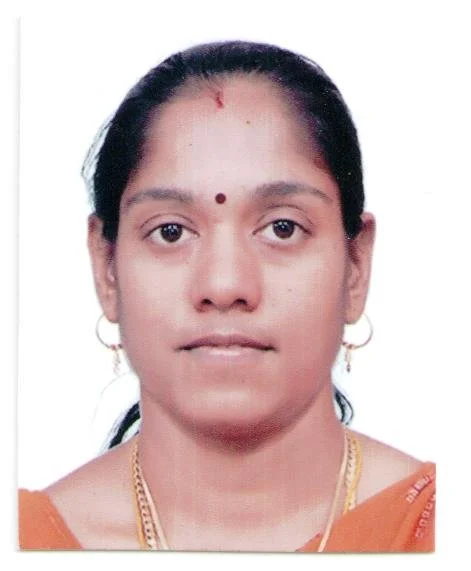
Dr. S. Subashini
Managing Director, Chennai Research Foundation, Chennai
Research Scholars

Ms. Chandramughi V.P.
Research Interest: Microalgae cultivation, Waste Management and Renewable energy